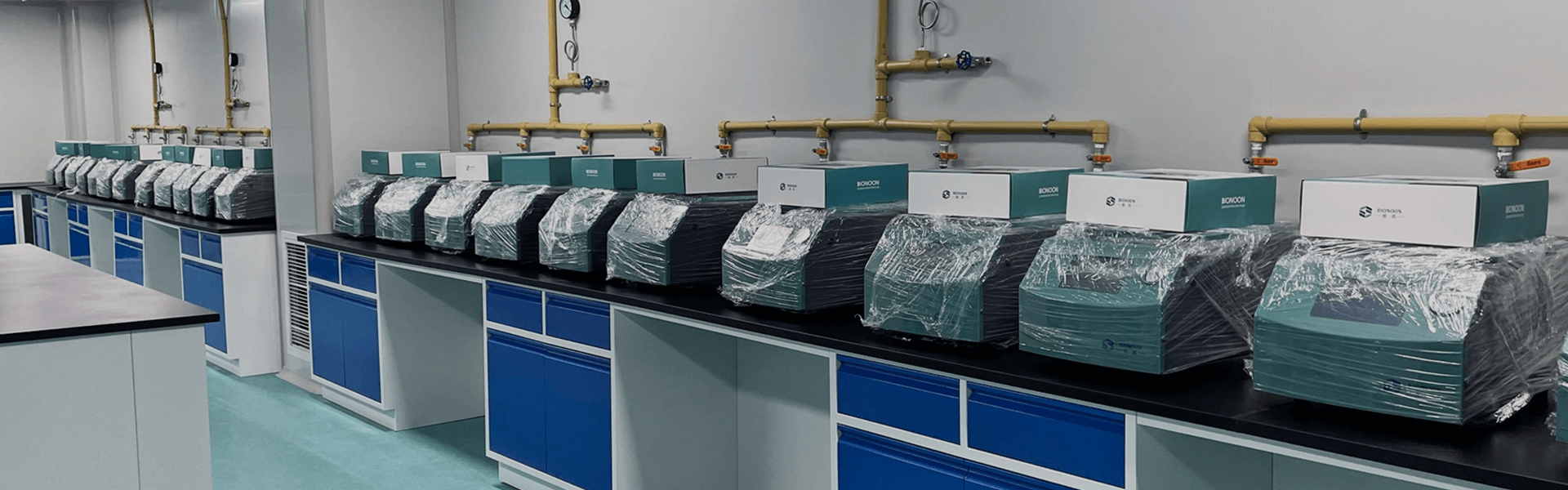
Vacuum concentrators play a pivotal role in laboratory settings by efficiently concentrating samples without compromising their integrity. This guide aims to empower you with the knowledge and skills needed to operate a vacuum concentrator effectively.
A vacuum concentrator is a device designed to evaporate solvents from liquid samples through the application of heat and reduced pressure. This process accelerates evaporation and minimizes the risk of thermal degradation of sensitive samples.
It's commonly utilized in biochemistry, molecular biology, and environmental science laboratories for various applications.
Vacuum concentrators offer several benefits, including increasing throughput, reducing drying times, and improving sample quality. They are essential tools for any laboratory looking to efficiently process samples while preserving their original properties.
Moreover, they save time and effort compared to traditional drying methods, making them indispensable in high-demand settings.
To operate a vacuum concentrator, follow these simple steps:
Regular maintenance and calibration of the device are crucial for consistent performance and longevity.
Laboratory technicians, researchers, and academic institutions often utilize vacuum concentrators. Enhanced by companies like Shanghai Bionoon Biotechnology Co., LTD., these devices are designed to meet the needs of various research applications with quality and reliability.
Since 2013, Shanghai Bionoon has built a reputation as a trusted manufacturer of laboratory instruments, providing comprehensive support and services.
Operating a vacuum concentrator effectively is a core competency for laboratory professionals. Armed with this guide, you can master the essential techniques and ensure that your work is efficient and productive.
Previous: The Ultimate Guide to Breast Milk Freeze Drying
Next: Finding Reliable Micro Pestle Homogenizer Suppliers

