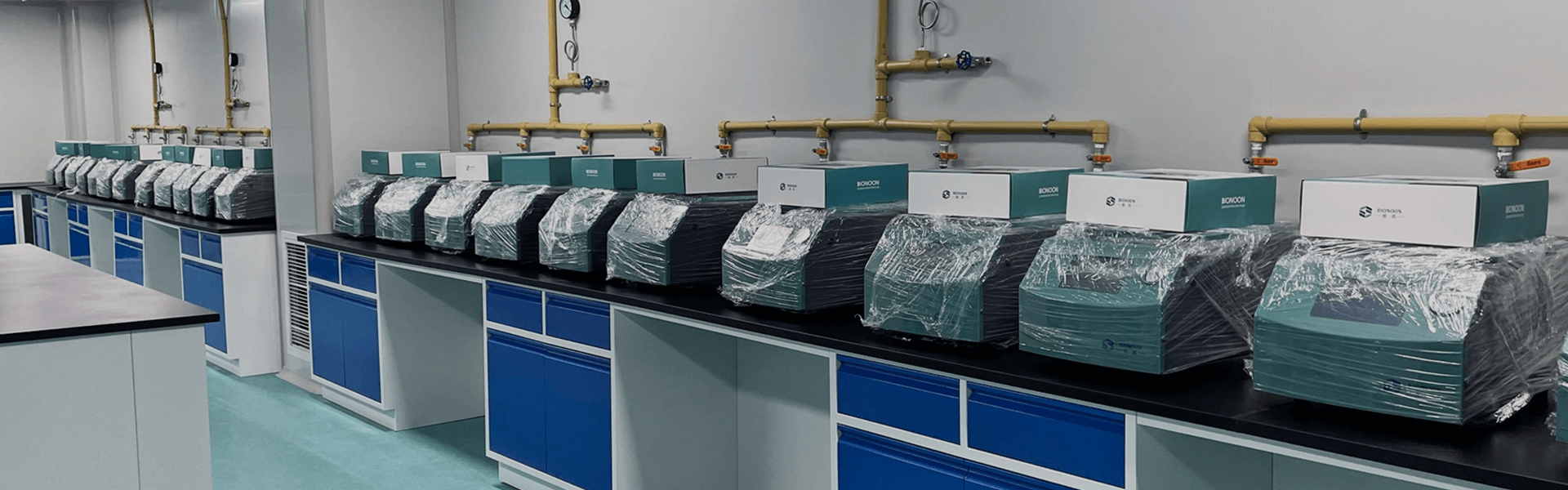
A centrifugal vacuum concentrator is an essential tool for any laboratory dealing with sample preparation. Whether you're concentrating nucleic acids or proteins, understanding how these devices work can significantly improve your workflow efficiency. In this guide, we will explore the features, benefits, and best practices for using centrifugal vacuum concentrators effectively.
A centrifugal vacuum concentrator is a device that utilizes centrifugal force and vacuum to evaporate solvents from samples, allowing researchers to concentrate their solutions quickly. These devices are crucial for minimizing sample loss and ensuring high recovery rates, especially in sensitive applications.
These concentrators come with various rotors that accommodate different tube sizes and configurations, making them versatile tools suitable for a wide range of laboratory applications.
Utilizing a centrifugal vacuum concentrator offers numerous benefits, including reduced sample preparation time, improved efficiency, and enhanced sample integrity. Researchers often face challenges in concentrating samples without losing valuable data, but these devices provide a reliable solution.
Additionally, the ability to work under vacuum reduces the boiling point of solvents, allowing for gentle evaporation that protects heat-sensitive samples.
Choosing the right concentrator depends on various factors, including sample types, volume, and the required concentration level. Consider brands like Shanghai Bionoon, known for their high-quality vacuum concentrators that come with advanced features tailored for various research needs.
When using a centrifugal vacuum concentrator, it's important to familiarize yourself with its operation manuals. Start by loading your samples into appropriate tubes, ensuring they are balanced in the rotor.
Set the temperature and rotational speed according to the specific requirements of your samples. Monitor the concentration process regularly to prevent over-drying or overheating.
Finally, clean the device thoroughly after each use to maintain its performance and prolong its lifespan.
In the realm of laboratory instruments, Shanghai Bionoon Biotechnology Co., LTD. stands out as a leading manufacturer. Established in 2013, their focus on innovation and quality has made them a reputable name in the industry. Bionoon's products, including vacuum centrifugal concentrators, are widely used across various sectors such as research institutions and top-tier healthcare facilities.
With ISO9001 certification and a commitment to customer value, Shanghai Bionoon products ensure stable performance and high-quality service for laboratory applications.
In summary, a centrifugal vacuum concentrator can greatly enhance your laboratory's efficiency and data integrity. By understanding its functionalities, benefits, and proper usage, you can leverage this tool to achieve excellent results in your research.
Previous: Choosing the Right Cell Dounce Homogenizer Manufacturer
Next: Choosing the Right Commercial Freeze Dryer Manufacturers

