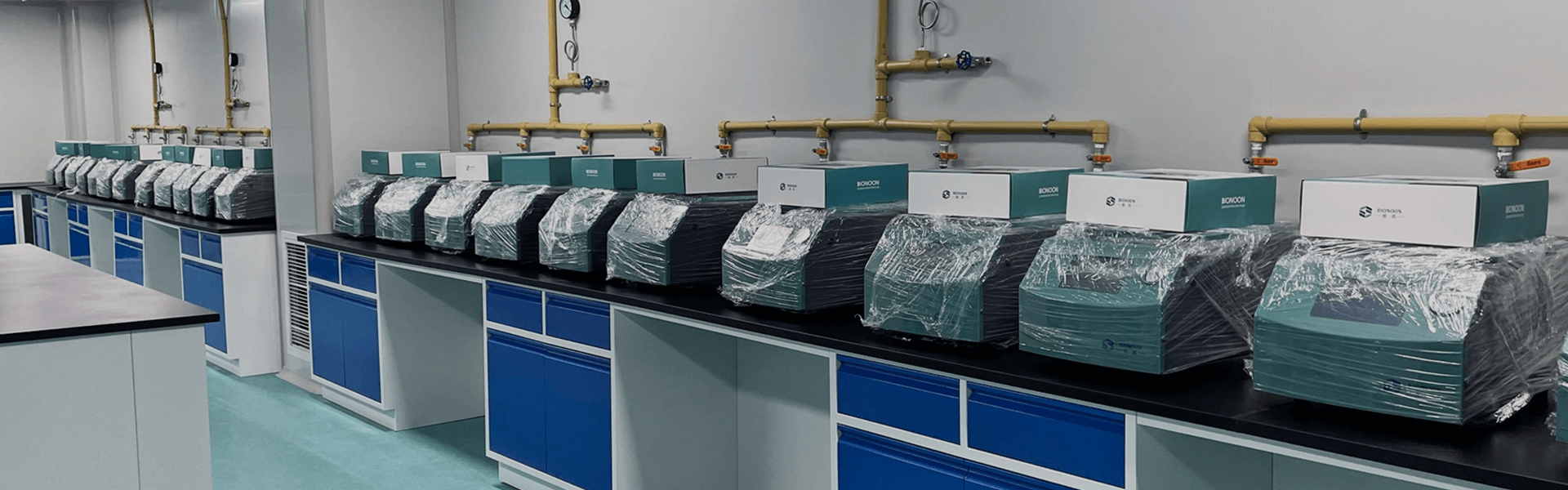
A vacuum concentrator is a powerful laboratory tool used for sample concentration through evaporation under vacuum conditions. This device is ideal for preparing samples in various scientific fields, including chemistry and biochemistry.
It efficiently reduces the solvent volume, making subsequent analyses simpler and more cost-effective.
Investing in a vacuum concentrator adds efficiency to your lab processes. The ability to concentrate samples quickly saves time, allowing for increased throughput.
Additionally, vacuum concentration minimizes the risks of thermal degradation of sensitive samples, ensuring they remain viable for research.
1. Assess your lab needs: Determine the volume and type of samples you will be concentrating.
2. Research brands: Look for reputable brands, such as those offered by Shanghai Bionoon, known for high quality and reliability.
3. Check specifications: Evaluate the maximum achievable vacuum level, temperature control, and the type of rotor that comes with it.
4. User-friendliness: A touch-screen interface or software compatibility can elongate usage and simplify operation.
5. After-sales service: Ensure that the supplier offers sufficient technical support and warranty details.
Prominent brands, including Shanghai Bionoon Biotechnology Co., LTD., provide a range of vacuum concentrators meticulously designed to meet diverse laboratory requirements. Their commitment to quality and excellent customer service makes them a top choice among research institutions.
Acquiring a vacuum concentrator for your lab not only improves your operational efficiency but also enhances the quality of your research outputs. By choosing a trusted supplier, you set the stage for success in your scientific endeavors.
Previous: Finding the Right Tissue Homogenizer Suppliers: A Comprehensive Guide
Next: Unlocking the Potential of Wholesale Large Freeze Dryers

