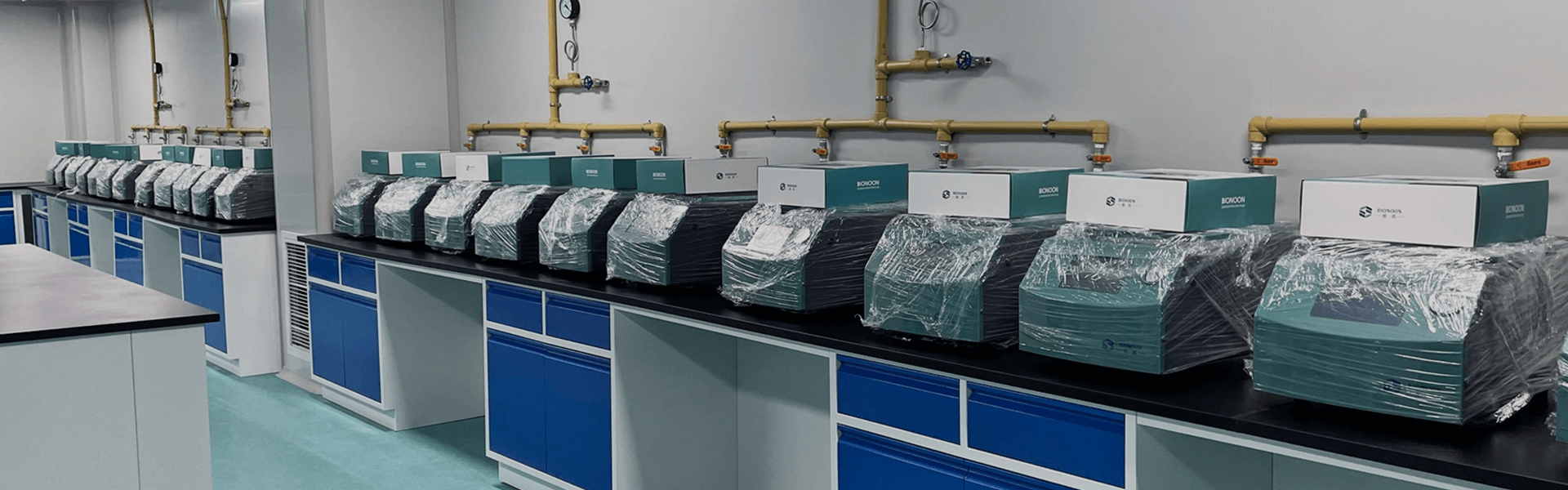
Ball bearing homogenizers are vital instruments in laboratories that require the disruption of biological tissues or emulsification of mixtures.
These homogenizers utilize high-speed rotation to create shear forces that break down samples, ensuring a uniform mixture. They are used in various applications, including food production and pharmaceutical research.
These devices provide high efficiency and speed, allowing for reproducible results. Their ability to process difficult samples makes them preferred choices in labs focusing on tissue and cell disruption.
Research scientists, food technologists, and bioprocess engineers all benefit from using this equipment, especially when consistency in particle size is crucial.
1. Prepare samples: Ensure that samples are ready and appropriately sized for homogenization.
2. Set up the device: Familiarize yourself with the equipment, noting the required settings.
3. Monitor parameters: Keep an eye on speed and process time to guarantee uniformity.
4. Clean and maintain: Regular maintenance is vital for optimal performance, so follow the manufacturer's guidelines.
5. Document results: Record your findings for compliance and future reference.
Using ball bearing homogenizers effectively can lead to precise and reproducible results in various laboratory settings, ensuring quality outcomes in scientific research.
Previous: Affordable Pilot Scale Lyophilizers: A Smart Choice for Laboratories
Next: Choosing the Best Benchtop Lyophilizer: A Guide to Top Manufacturers

