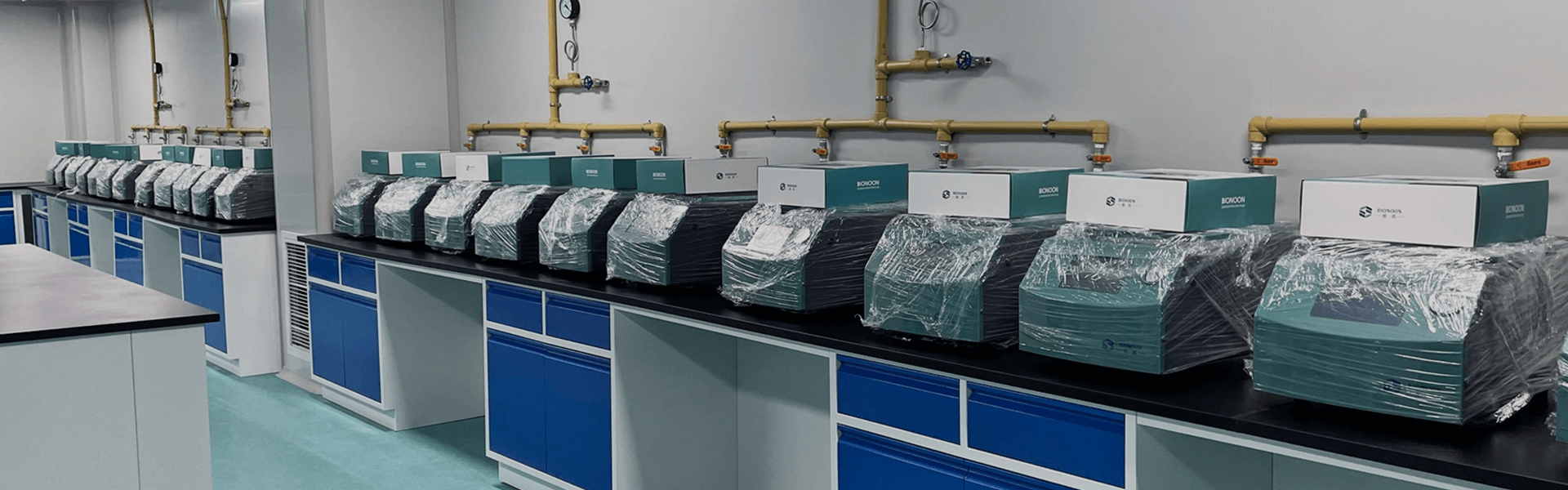
Dry bath incubators are essential for a wide range of applications in laboratories where temperature control is paramount. However, many users are uncertain about optimal temperature settings for different experiments. This guide sheds light on temperature management to ensure reliable results.
A dry bath incubator is a lab device designed to provide precise temperature control for biological samples. It offers uniform heating compared to traditional water baths, making it ideal for enzyme reactions, DNA amplification, and more.
Most models feature adjustable temperature settings and timers, allowing users to specify exactly how they want their samples treated.
Proper temperature settings are critical as even slight deviations can impact cellular function and experimental outcomes. For enzymatic reactions, for instance, an incorrect temperature can halt the reaction or produce erroneous results.
Furthermore, consistent temperature control can enhance reproducibility, ensuring that experiments can be repeated with the same results across different trials.
Laboratories across fields—including pharmaceuticals, biotechnology, and academic institutions—benefit from well-maintained dry bath incubators. Organizations such as Shanghai Bionoon Biotechnology Co., LTD. produce high-quality laboratory instruments that emphasize precise temperature control for various applications.
With extensive experience since 2013, Shanghai Bionoon has established itself as a trusted partner in life science research.
Begin by consulting your experiment's specific protocol for recommended temperatures. Adjust the incubator settings accordingly.
Regular calibration of your incubator is vital to ensuring accuracy over time. Use calibration kits to check and adjust temperatures routinely.
Also, avoid frequent door openings, which can alter internal temperatures. When performing time-sensitive experiments, try to minimize access to maintain consistency.
Finally, consider utilizing a backup battery or generator to ensure continuous power in case of power failures, thereby safeguarding your experiments.
Mastering dry bath incubator temperature settings is essential for laboratory success. By understanding the importance of proper temperature management, you can improve the accuracy and reproducibility of your experiments.
Previous: Choosing the Right DNA Shearing Sonicator Manufacturers
Next: A Comprehensive Guide on How to Maintain Extraction Apparatus

