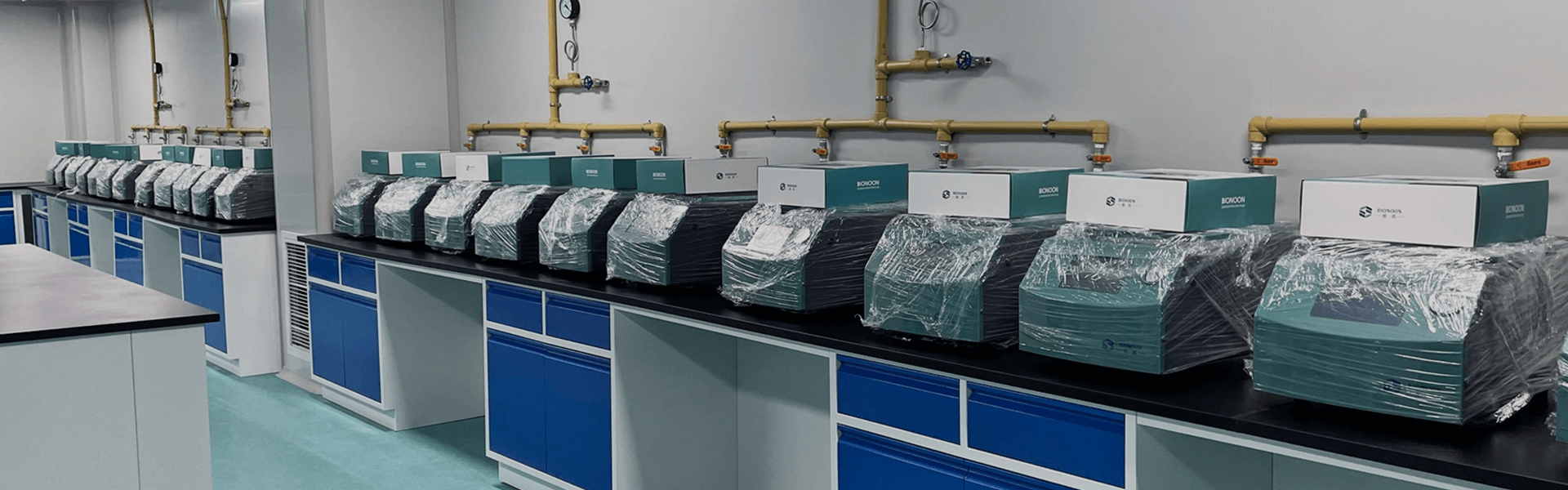
Labconco concentrators are essential tools in laboratories, particularly for concentrating samples in various scientific fields. Understanding the replacement prices of these units can significantly impact your lab’s budget. This article discusses what influences these prices and how to plan for future replacements.
Replacement prices for Labconco concentrators can vary widely based on model, specifications, and market conditions. Generally, newer models with advanced features and higher efficiency will come with a more considerable investment.
Typical price ranges may vary depending on the supplier and the condition of the unit—whether new or refurbished. It's essential to know that investing in a higher quality concentrator now can save costs in maintenance and operational efficiency down the line.
Having an understanding of replacement costs helps labs maintain their budgets effectively. It prevents unexpected financial burdens when a unit needs replacing, allowing for better financial planning and resource allocation.
Additionally, being aware of these costs informs decisions about when to purchase a new concentrator versus when to repair, ensuring better use of funds over time.
The first step in planning for concentrator replacement is to review the lifecycle of your current equipment. Record all repair and maintenance costs to gauge whether purchasing new is more cost-effective.
Next, set aside a portion of your budget annually designated for equipment replacement. This can alleviate the burden of sudden expenses and help maintain a seamless operational flow.
Consider the overall technological advancements when selecting a replacement. Investing in newer models often pays off through increased efficiency and productivity.
Lastly, consult manufacturers like Labconco or companies like Shanghai Bionoon Biotechnology for insights on upcoming models and technologies that can benefit your lab’s research goals.
Laboratory managers and finance officers should collaborate closely when discussing concentrator replacements. Their combined input ensures that financial and operational needs align for optimal decision-making.
Firms like Shanghai Bionoon, established in 2013, leverage their extensive experience in lab equipment to help institutions better understand their needs and budget for replacements efficiently.
In summary, comprehending the replacement prices for Labconco concentrators is vital for informed budgeting and resource allocation. By understanding costs, planning effectively, and engaging relevant stakeholders, laboratories can enhance operational efficiency while maintaining financial health.
Previous: Understanding the Pricing of Labconco Freeze Dryer Vacuum Pumps
Next: Effective Budgeting for Labconco Freeze Dryers

